No products in the basket.

iPhone Screen Replacement Prices in South Africa: Original vs Fake Screens Explained (2026 Guide)
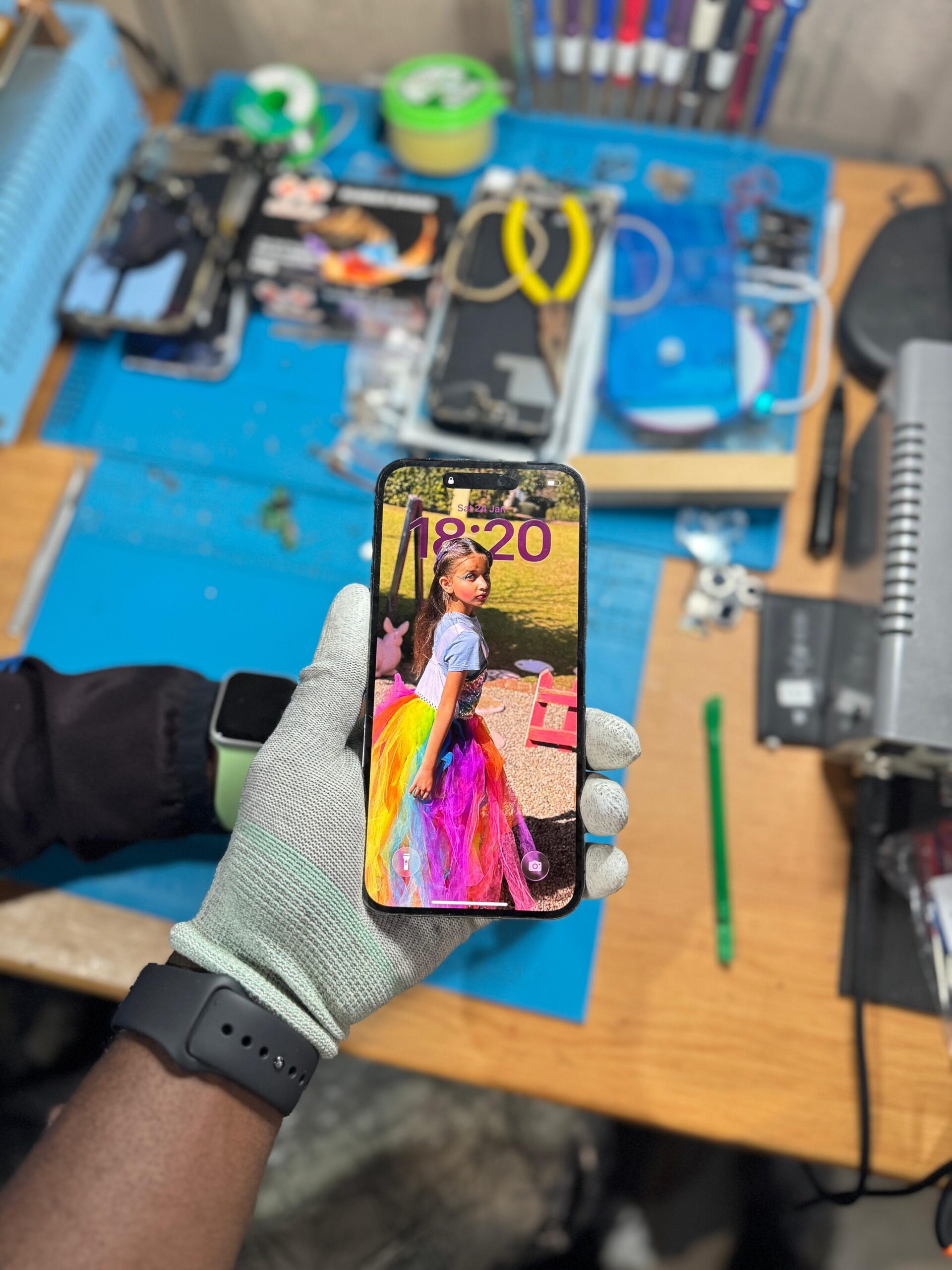
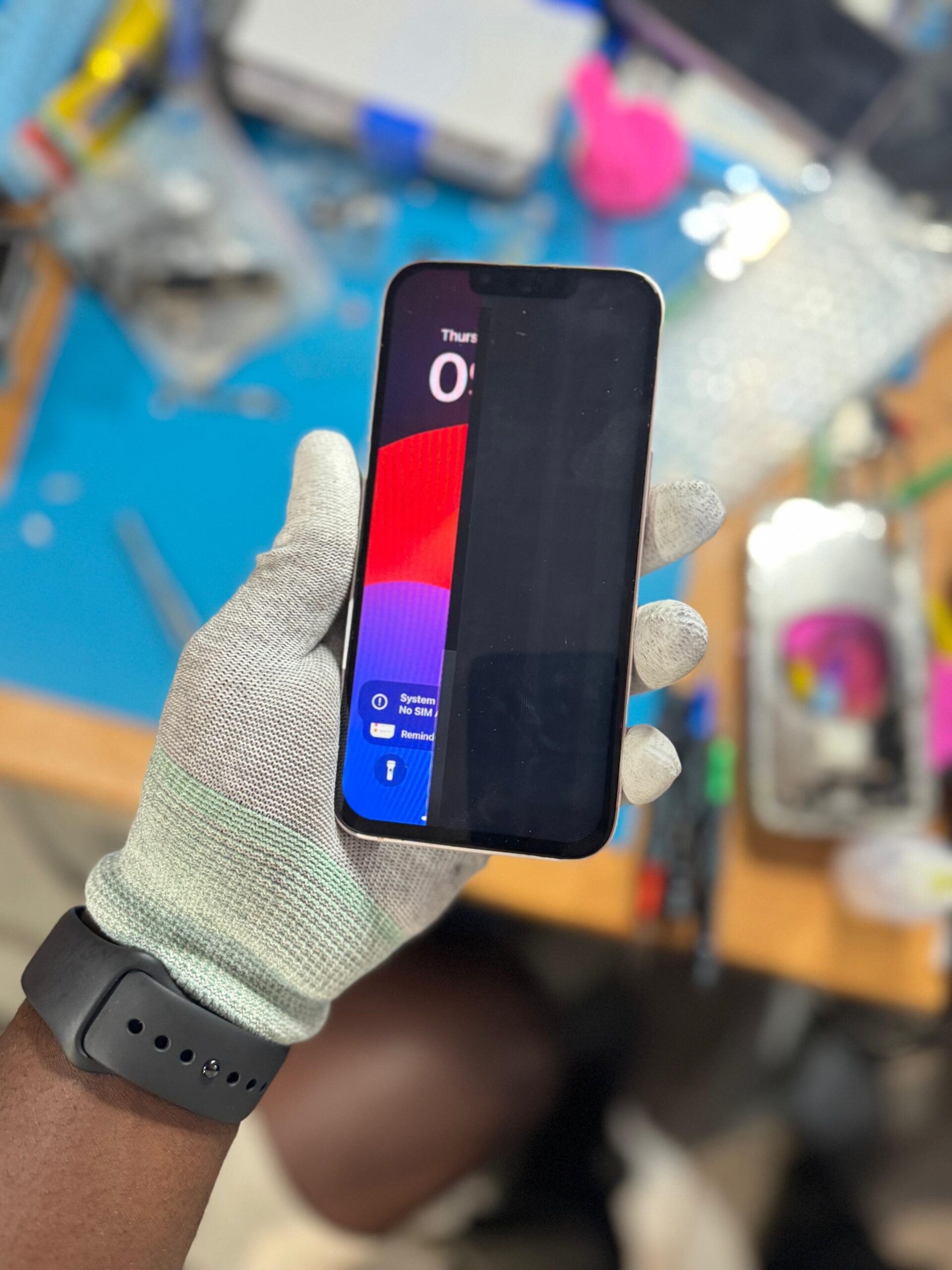
Cracked iPhone screens cause frustration, disrupt daily use, and often lead to rushed repair decisions. However, not all screen replacements cost the same—or deliver the same quality. Before you spend your hard-earned rands, you need to understand why prices vary so much between iPhone models and why original screens always win.
OLED vs LCD – Why Screen Technology Matters
Apple introduced OLED displays with the iPhone X as an experiment in premium screen technology. OLED panels deliver deeper blacks, richer colors, and better power efficiency. Meanwhile, Apple used LCD displays on models like the iPhone 11 to keep prices more affordable. Because OLED screens cost significantly more to manufacture, replacements naturally come at a higher price.
iPhone Screen Replacement Prices in South Africa (Rough Estimates)
Although prices fluctuate based on supplier costs, these figures reflect realistic expectations from industry experience.
iPhone 11 (LCD)
Aftermarket screen: ±R600
Original screen: ±R1,500
iPhone 12 / 12 Pro (OLED)
Aftermarket screen: ±R1,000
Original screen: ±R2,000
iPhone 13 (OLED)
Aftermarket screen: ±R2,000
Original screen: ±R2,500
iPhone 14 / 14 Plus (OLED)
Aftermarket screen: ±R2,000
Original screen: ±R3,000–R3,500
iPhone 14 Pro Max (Advanced OLED)
Apple iStore: ±R10,000
Original screen via repair specialist: ±R4,800
iPhone 15 Pro Max
Apple iStore: ±R10,000
Original screen replacement: ±R5,800
iPhone 16 Pro Max
Apple iStore: ±R11,000
Original screen replacement: ±R5,800
Apple iStore vs Independent Repair Shops
Apple-authorised stores charge premium prices, often double what reputable independent repair shops (such as Lai Lai Pro) charge for the same original screens. Independent specialists source genuine components while offering better value, especially for newer Pro and Pro Max models.
Why You Should Never Use Fake iPhone Screens
Fake screens may look appealing due to lower prices. Unfortunately, they cause poor touch response, inaccurate colors, higher battery drain, and long-term motherboard risks. Over time, they become the most expensive mistake you can make on an iPhone.
Conclusion
Replacing an iPhone screen requires more than comparing prices. Screen technology, originality, and installer expertise matter far more. If you want performance, durability, and resale value, always choose an original screen. Cutting corners today almost guarantees regret tomorrow.